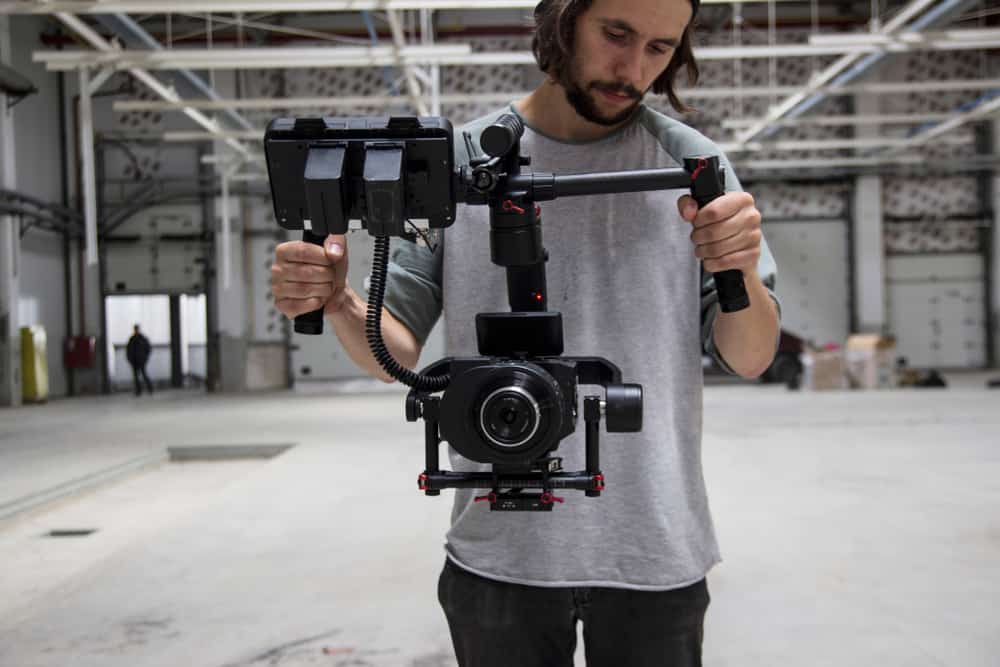
In Hollywood, big crews aren’t going anywhere, but much of the growth in production is happening in indie films, streaming series, and corporate or social media content. These projects often have tight budgets and lean teams. The result: a rising demand for cameramen who can do a bit of everything. The days of saying “I just operate the camera, that’s it” are fading.
The days of getting hired just because you own a camera are over.
Employers now love shooters who can also set up a basic 3-point lighting, capture sound, fly a drone, or even edit a rough cut. Being technically versatile can be your ticket to more gigs. In smaller markets especially, camera operators supplement their income by doing still photography, editing, audio, you name it.
While specialization is still revered on high-end sets, having extra skills makes you the go-to problem solver on set (and can save a producer from hiring extra crew). Plus, understanding other roles (like editing or sound) actually makes you a better camera operator — you’ll frame shots knowing exactly how they’ll be cut, or light scenes with post-production in mind. Bottom line: the more you can do, and do well, the more indispensable you become.